
Ruby Insights

Your property team is using AI. What changed for the property?
AI can speed up a message. The bigger question is whether the property team can see a better result across the whole process.
Read the articleMore from Ruby

Before AI writes the deal memo, can you defend the numbers?
A faster deal memo only helps when the team can trace its numbers, review its assumptions, and defend the decision.

Claude Duet and the case for choosing your agent
Try the new agent on a real task, see what it misses, and compare the work it does with the usage it consumes.
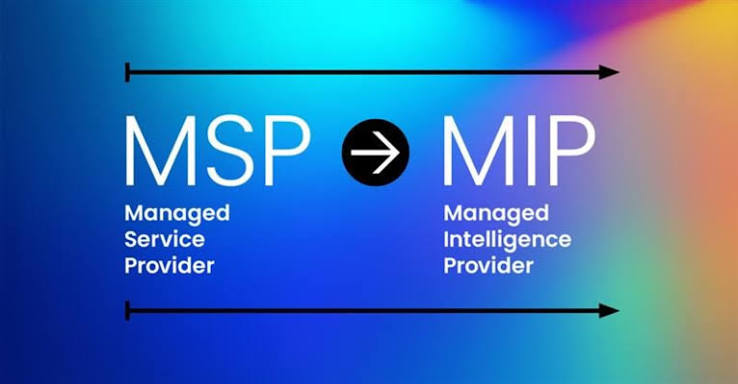
Your IT provider can keep the systems running. Who helps the work change?
Our Beyond the Prompt session with Mantra Computing shows how IT support and practical AI adoption can work together.
If the software can be rebuilt, what can't be copied?
If a product’s familiar features become easier to recreate, what keeps a customer with the people behind it?
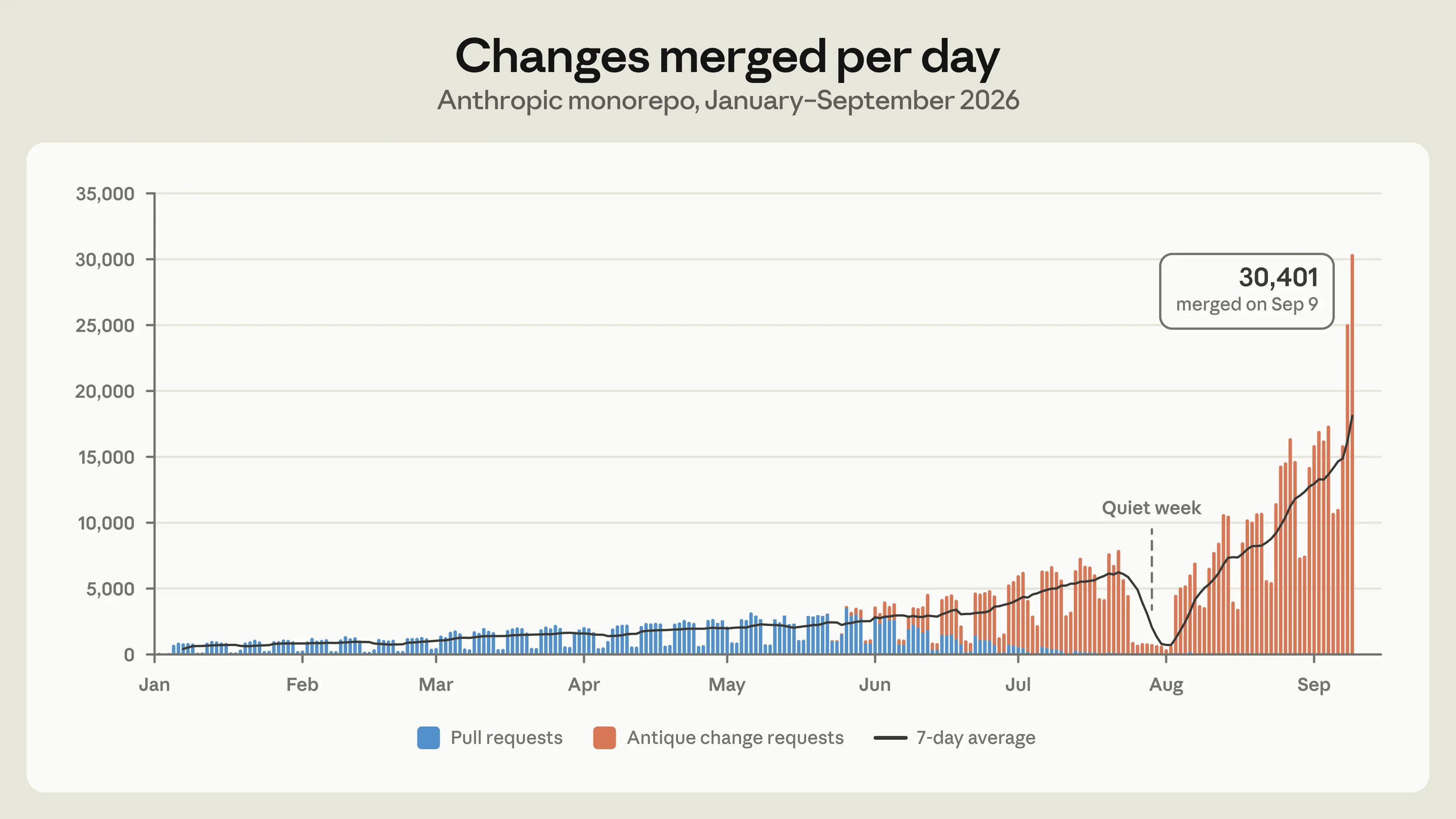
When AI speeds up building, the rest of work has to catch up
Faster tools move the bottleneck. Teams need current training, clear review, and workflows that can change with the technology.
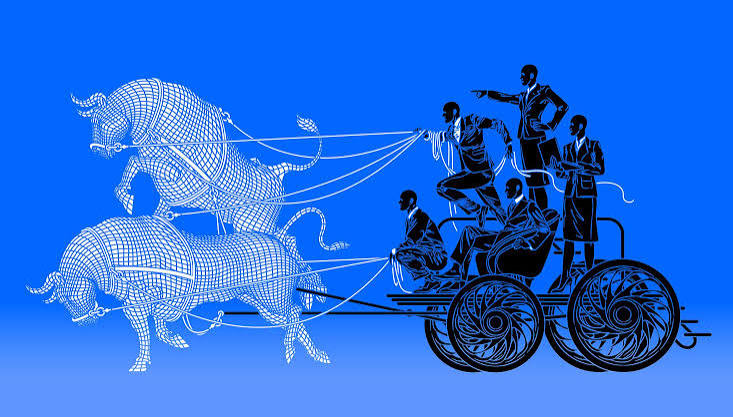
The work between the work is where AI might help most
A useful AI roadmap names the workflows to change, the handoffs slowing them down, and the people responsible for each one.
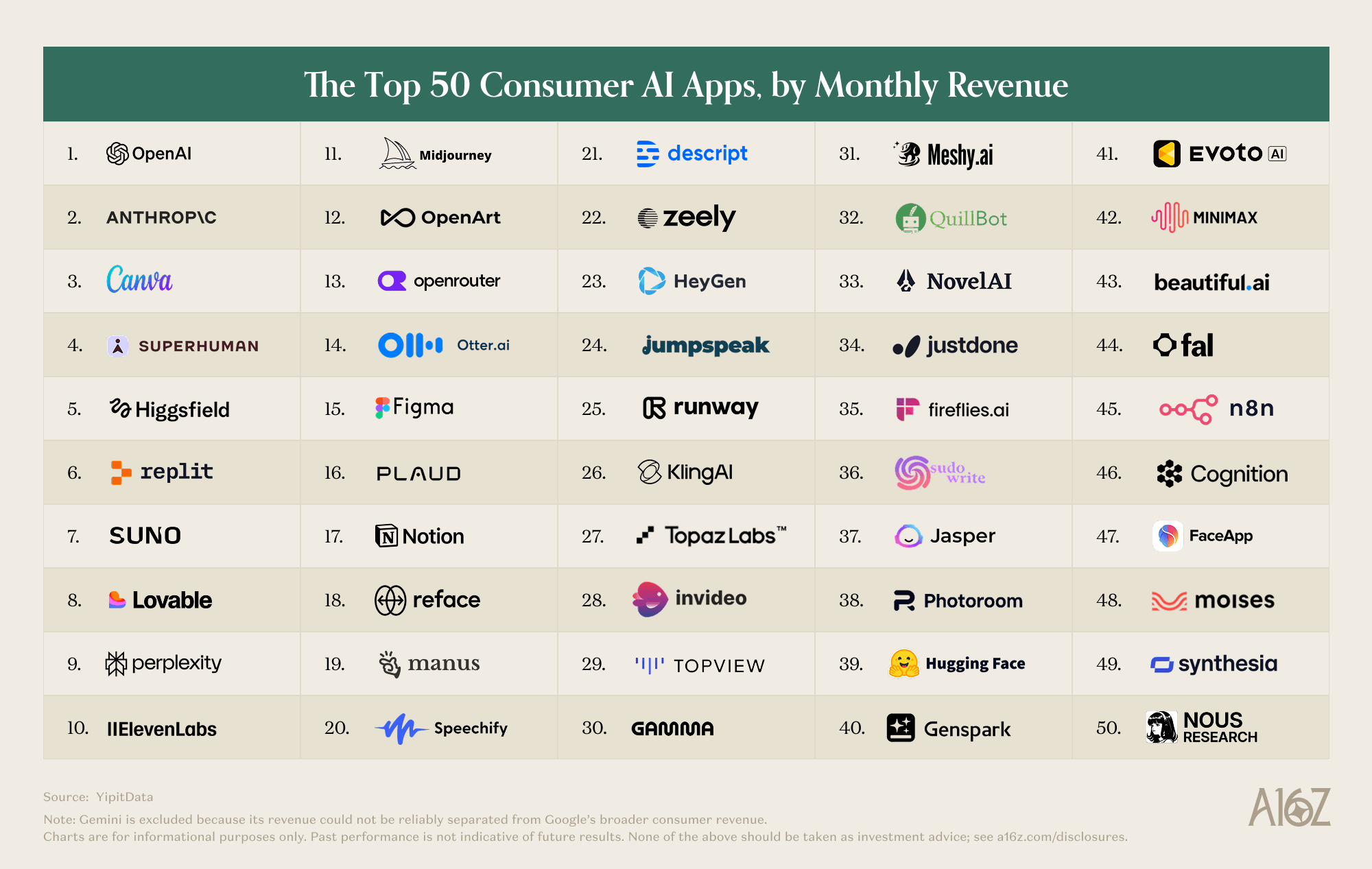
What is your Claude subscription actually changing?
Buying Claude seats is easy. Connecting the cost to real projects, employee adoption, and better work takes more attention.
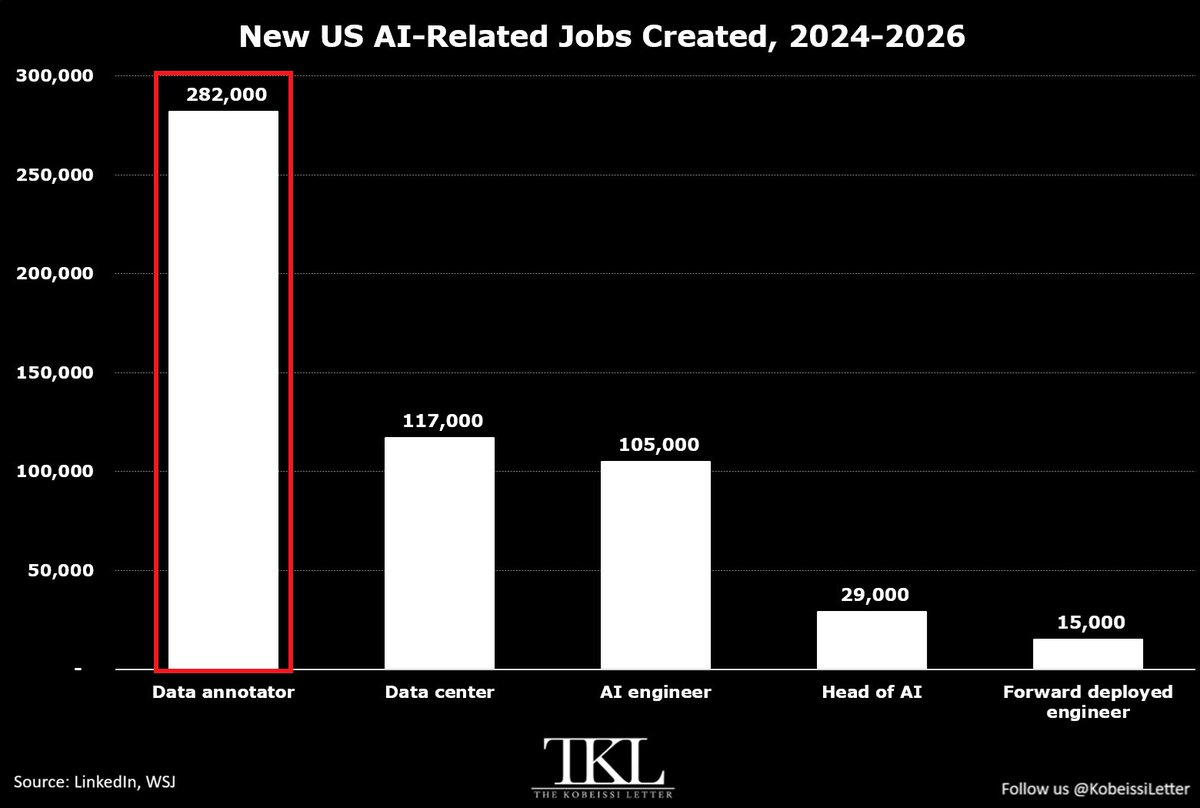
AI is creating new work. Who gets to grow into it?
AI is creating new kinds of work. Existing employees should have a path to learn the skills and shape the roles emerging around them.
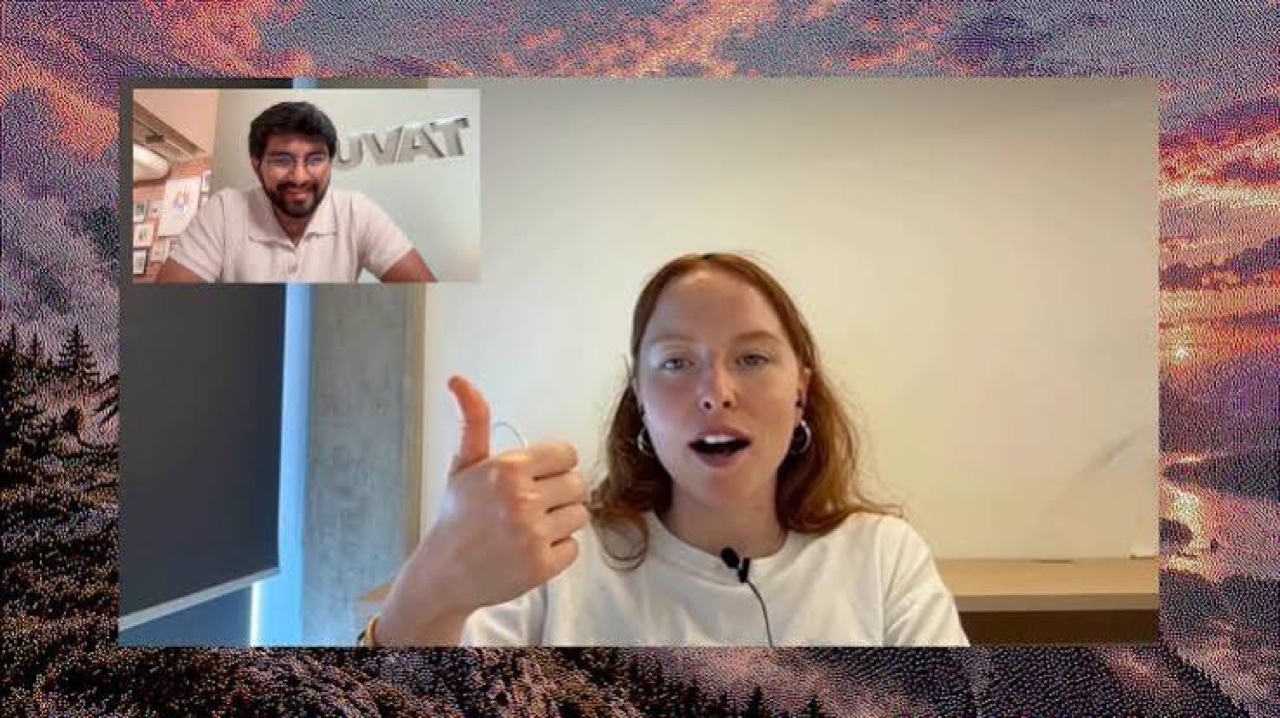
Griffin shows what AI could become beyond the chat box
A one-minute video call offers a glimpse of AI that can see, listen, and respond in real time. What could a team build with that interface?
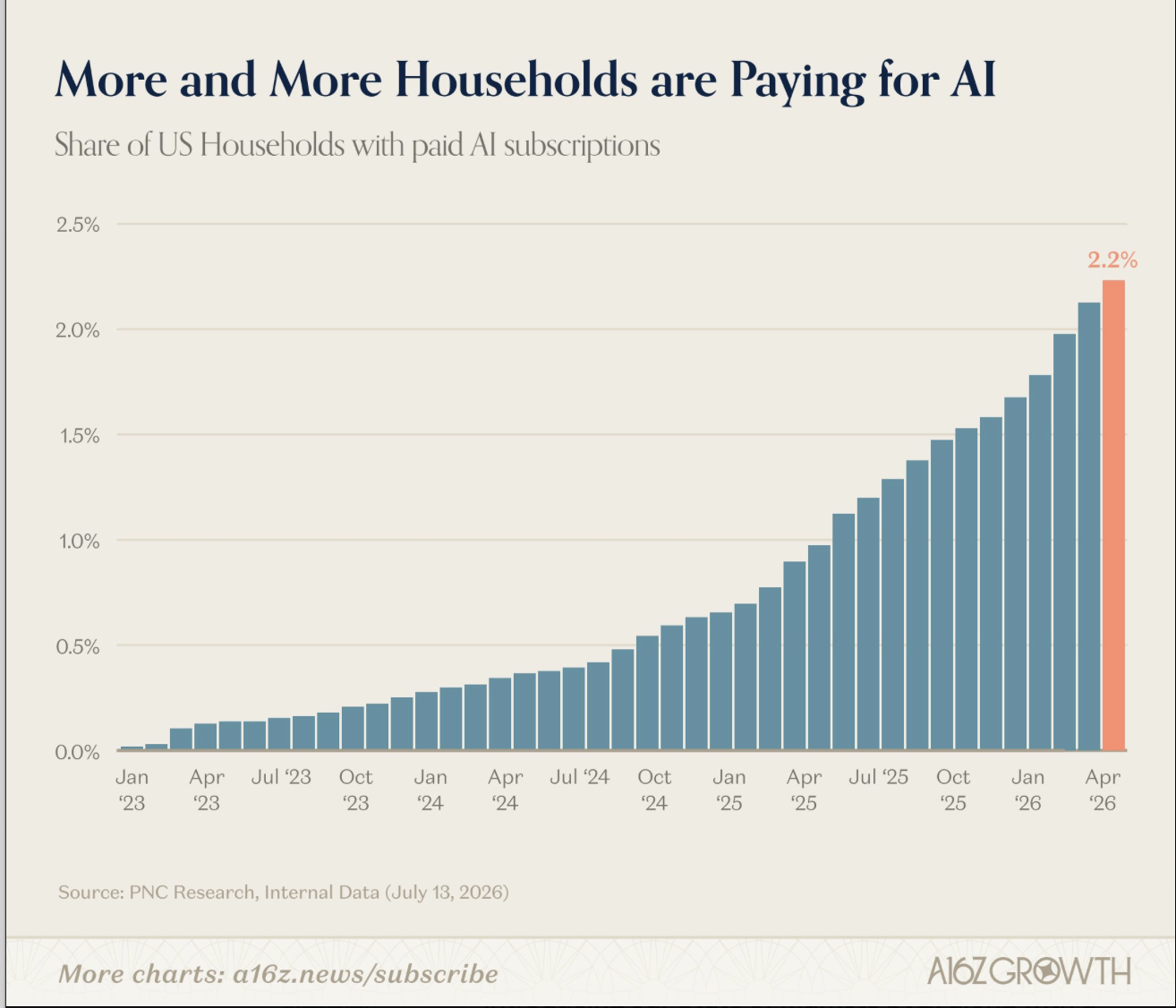
You are not behind on AI
Only a small share of US households pay for AI. That does not measure business adoption, but it puts the feeling of being behind in perspective.
Why AI needs someone inside the workflow
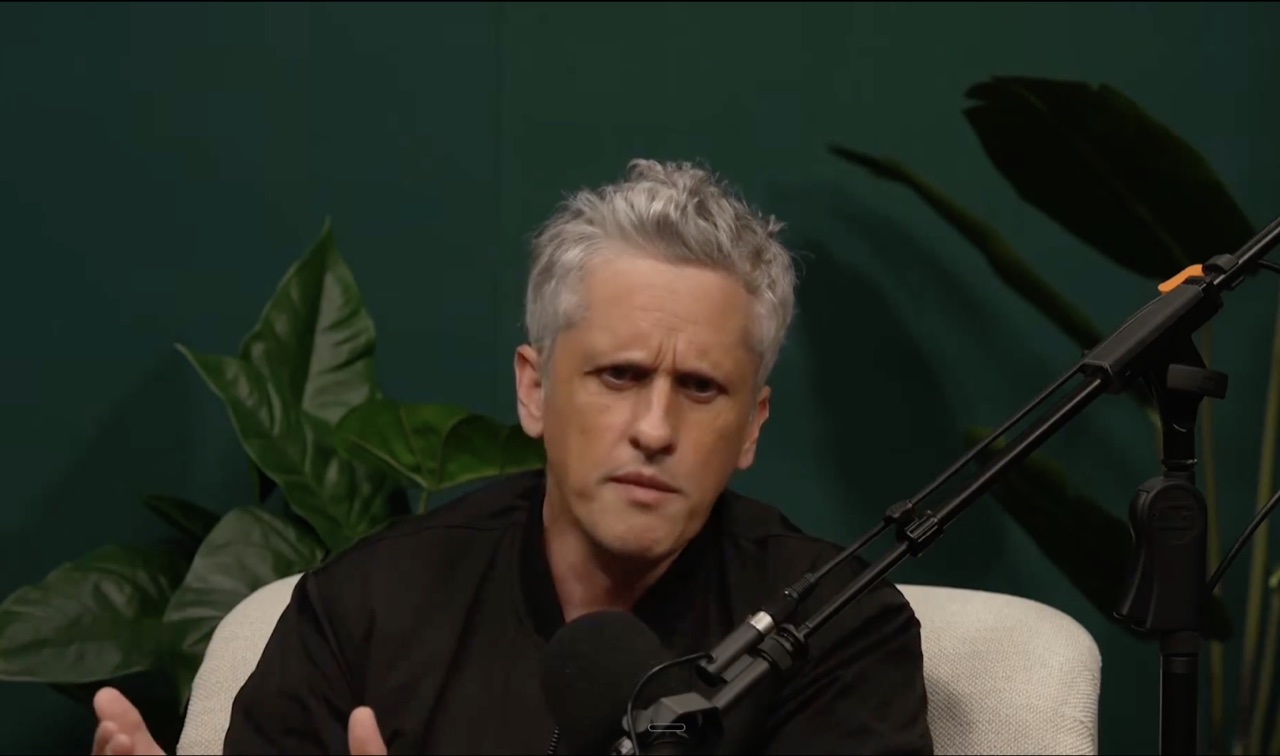
We helped a private equity team rethink its investor package workflow. The result came from understanding the process, not just adding a model.
When AI can do the accounting task, what changes for the accountant?
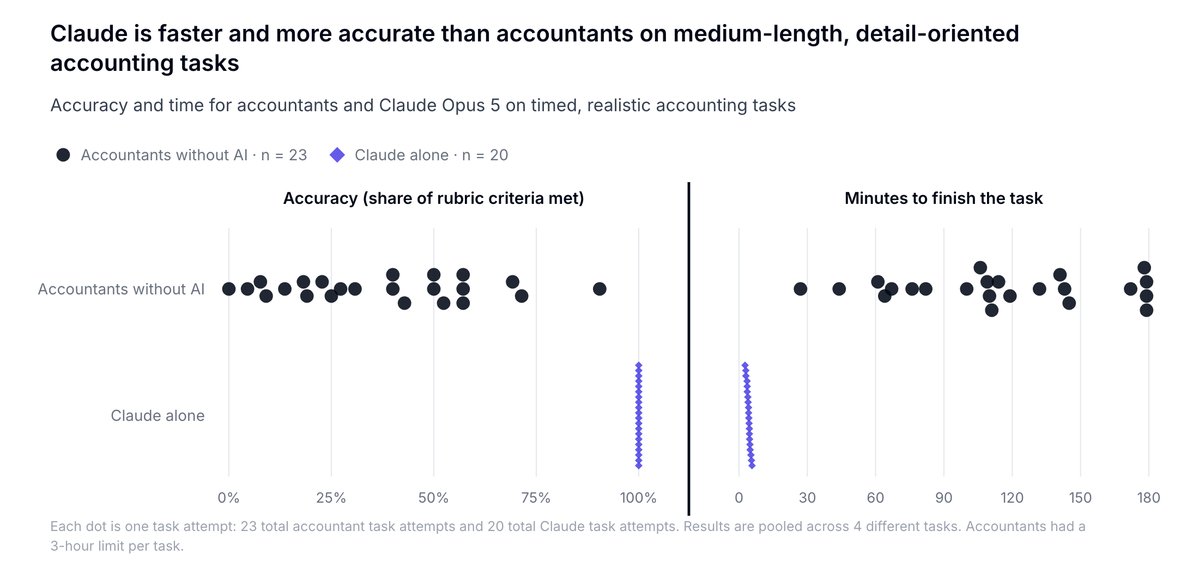
Opus completed bounded accounting tasks in minutes. The next question is how accountants spend more time on review, judgment, and client work.
Gemini 4 makes the cost of intelligence worth another look
Gemini 4 Argon looks competitive on cost and is more willing to admit uncertainty on one knowledge test. Both claims need context before a team changes its workflow.

The AI conversation reached the White House. The technology is still moving.
A meeting with the President put AI progress and safety on the same national stage. The pace of change is the story worth watching.
OpenAI gave agents more to do. Teams still need to decide what work to give them.
An agent can keep working after a prompt. The more important work for a business is deciding what it should own and how people stay involved.
A faster model still needs the right job
A faster model may change the economics of a task. A team still needs to know which tasks to move, what quality to expect, and where people review.
Where does the time AI saves actually go?
A few minutes a week could offset a small AI bill on paper. The real return depends on what happens to that time across the whole process.
When AI changes the job, bring employees with it
The next step in AI adoption is to work with employees on how their jobs change and what new capabilities the business can offer.
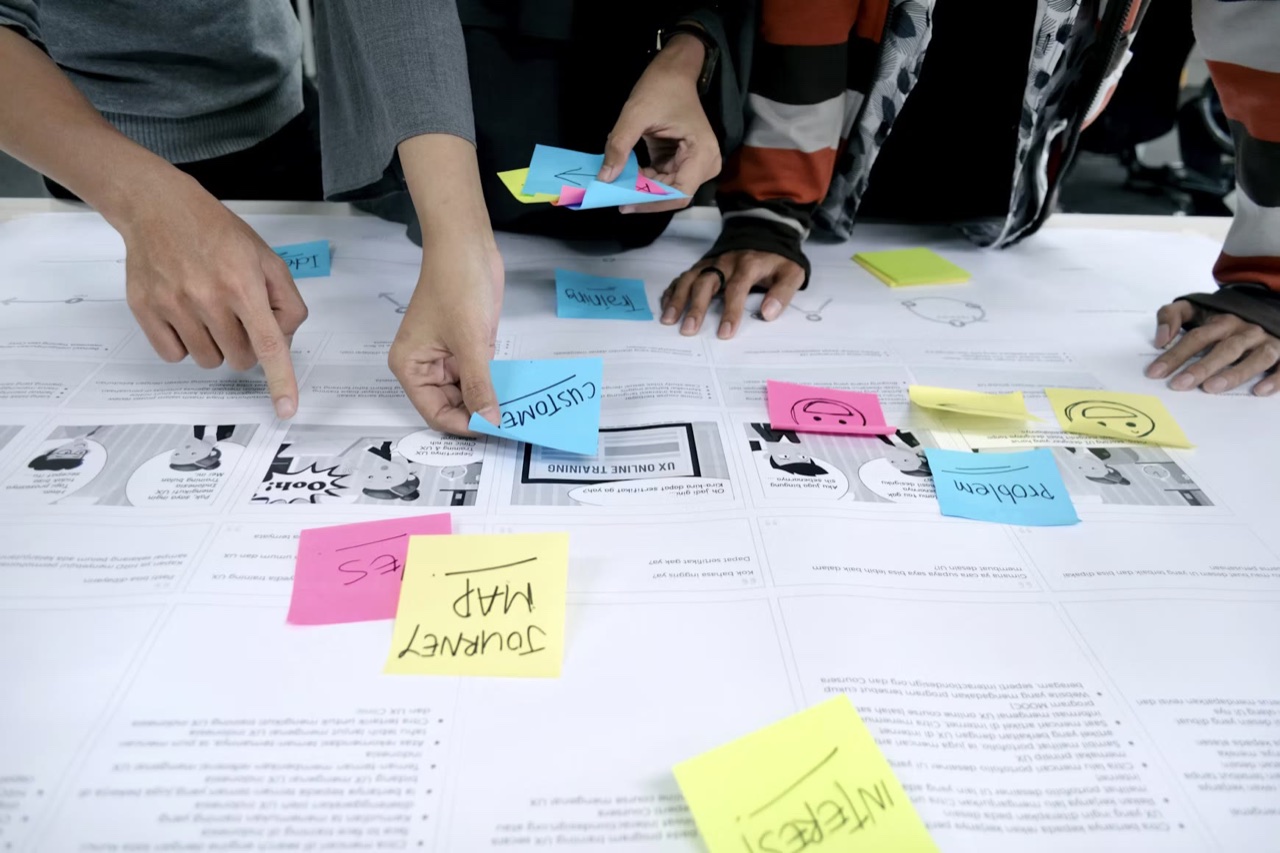
Finding the work where AI actually belongs
Finding the right work deserves as much attention as choosing the technology. Ruby starts with the people, questions, and handoffs behind the process.

The hidden work behind an AI pilot
The work behind a successful AI pilot takes business knowledge, technical judgment, and time to keep improving the process.

Token spend is becoming a team skill
A team can get real value from AI and still lose sight of what each task costs. The answer starts with understanding the work, then choosing the right model for it.